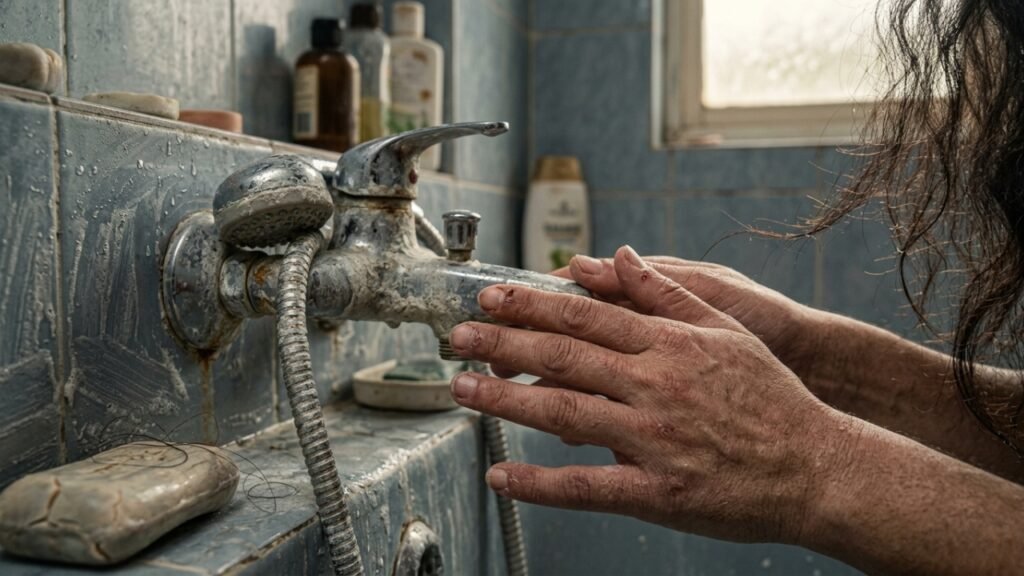
You turn on the tap. The water looks perfectly clear. But your skin feels dry after every bath. Your hair looks dull and brittle no matter how good your shampoo is. Your taps and tiles have that stubborn white crust that no amount of scrubbing fully removes. Your washing machine is leaving stiff, scratchy residue on your clothes. And somewhere in the back of your mind, you’re wondering whether the water you’re drinking is actually doing your body more harm than good.
If any of this sounds familiar, you’re almost certainly dealing with hard water.
Hard water is one of the most widespread — and most quietly damaging — water quality problems in Indian households. It affects your skin, your hair, your appliances, your plumbing, and potentially your health. And yet most people either don’t know what it is, or assume there’s nothing practical they can do about it.
There is. Quite a lot, actually.
In this complete guide, Bangalore Aqua walks you through everything you need to know about hard water — what it is, why it’s a problem, how it affects your daily life, and most importantly, every practical method available to soften it — from simple home remedies to professional long-term solutions designed specifically for Indian water conditions.
What Is Hard Water — And Why Does It Matter?
Hard water is water that contains a high concentration of dissolved minerals — primarily calcium and magnesium, but also iron, manganese, and other trace elements that it picks up as it flows through soil, rock, and underground aquifers before reaching your tap.
The “hardness” of water is measured in terms of Total Dissolved Solids (TDS) in milligrams per litre (mg/L) or parts per million (ppm), or specifically in terms of calcium carbonate concentration. Here’s a simple reference scale:
| Hardness Level | Calcium Carbonate (mg/L) | What It Means |
| Soft | 0 – 60 | Ideal for drinking, bathing, appliances |
| Moderately Hard | 61 – 120 | Acceptable but some effects noticeable |
| Hard | 121 – 180 | Noticeable scaling, skin & hair effects |
| Very Hard | 180+ | Serious problems for health & appliances |
In India, hard water is extremely common — particularly in states like Karnataka, Rajasthan, Gujarat, Maharashtra, Haryana, and large parts of Uttar Pradesh. Many areas of Bangalore, including localities that rely heavily on borewell water, regularly record TDS levels well above the acceptable drinking water limit of 500 mg/L set by the Bureau of Indian Standards (BIS).
How Does Hard Water Affect You Every Day?
Before we get into solutions, it’s worth understanding exactly what hard water is doing to your home and body — because once you see the full picture, the motivation to address it becomes very clear.
Your Skin — Hard water reacts with soap to form a sticky residue called soap scum that doesn’t rinse off completely. This leaves a film on your skin that clogs pores, strips natural oils, and leads to dryness, irritation, and in some cases eczema flare-ups. If your skin feels tight and itchy after a shower despite using good products, hard water is likely the culprit.
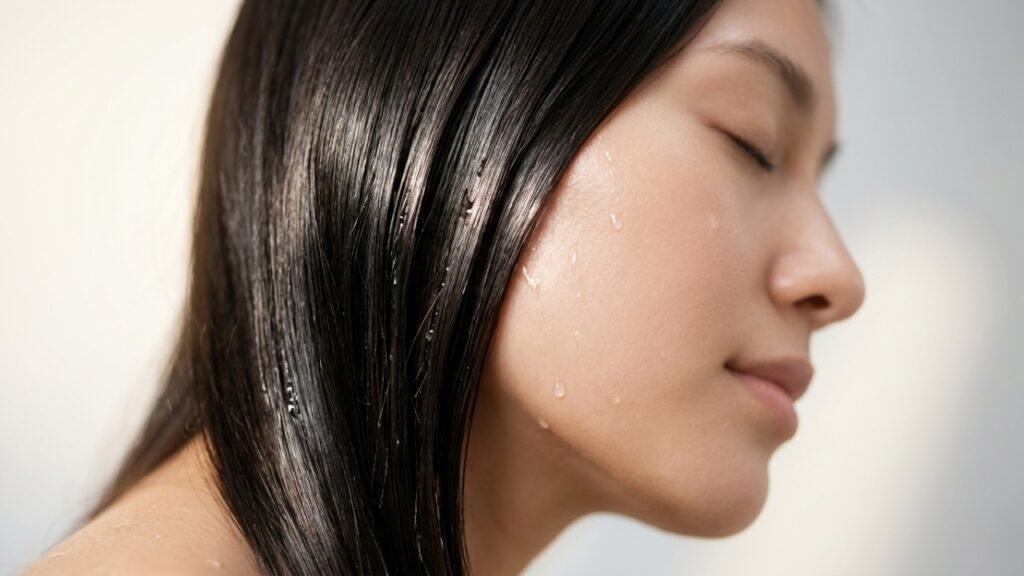
Your Hair — The minerals in hard water coat the hair shaft, preventing moisture from entering and making hair feel rough, dull, and brittle. Over time, hard water causes increased hair breakage, scalp dryness, and dandruff. It also makes it harder for shampoo to lather and rinse cleanly — leaving behind residue that weighs hair down.
Your Appliances — Calcium and magnesium deposits build up inside washing machines, geysers, dishwashers, and water heaters over time — forming a hard, chalky layer called limescale. This reduces efficiency, increases electricity consumption, and shortens the lifespan of expensive appliances. A geyser running on hard water can lose up to 30% efficiency within a few years.
Your Plumbing & Fixtures — Those white, crusty deposits around your taps, showerheads, and bathroom tiles? That’s mineral buildup from hard water. Over time, scale accumulates inside pipes — reducing water pressure and eventually causing blockages that are expensive to fix.
Your Clothes — Hard water makes it harder for detergent to dissolve and work effectively, leaving clothes feeling stiff and appearing dull after washing. White fabrics often develop a grayish tinge over time.
Your Drinking Water — While hard water is generally not acutely toxic, very high mineral concentrations — especially in combination with other dissolved solids — can contribute to digestive issues, kidney stone formation over time, and cardiovascular stress with prolonged consumption.
Can Hard Water Cause Bloating?
This is one of the most commonly asked questions about hard water — and the answer is: yes, it can contribute to bloating and digestive discomfort, particularly with prolonged consumption of very hard water.
Here’s why. Hard water contains elevated levels of magnesium and calcium. While these minerals are not inherently harmful in small quantities, consuming water with very high mineral concentrations regularly can disrupt your gut’s natural balance. Excess magnesium in particular has a laxative effect at high doses and can cause bloating, loose stools, and abdominal discomfort. Calcium in excess can interfere with the absorption of other minerals and contribute to digestive sluggishness.
Additionally, in areas where hard water is also associated with high TDS from other dissolved solids — nitrates, sulfates, and heavy metals — the combined effect on digestion can be more significant, especially for people with sensitive digestive systems, children, and the elderly.
If you’re experiencing recurring bloating, gas, or digestive discomfort and you live in an area with known hard water, switching to properly treated water is a reasonable and worthwhile step.
What Is the Easiest Way to Soften Hard Water?
The easiest way depends on your situation, your budget, and what you’re softening the water for — drinking, bathing, or appliance use. Here’s a quick overview before we dive into each method in detail:
For immediate, temporary relief at home — boiling water or adding baking soda are the simplest starting points.
For bathing and hair wash — a shower filter or adding a small amount of vinegar or baking soda to your bath water provides noticeable relief quickly.
For drinking water — a domestic RO water purifier is the most effective, reliable, and long-term solution available.
For whole-house or commercial softening — a professional water softener system is the definitive answer.
Now let’s go through every method in detail.
How to Soften Hard Water Naturally at Home
If you’re looking for natural, chemical-free ways to soften hard water at home without investing in equipment right away, here are the most effective options:
1. Boiling
Boiling is the oldest and most straightforward method to reduce temporary hardness in water. When you boil hard water, the heat causes dissolved calcium bicarbonate and magnesium bicarbonate to precipitate out as a solid deposit — which you can see as the white chalky residue that forms at the bottom of your kettle or vessel.
How to do it: Boil water and let it cool. The white precipitate settles at the bottom. Carefully pour the clear water into another container without disturbing the sediment.
Limitations: Boiling only removes temporary hardness. It does not address permanent hardness caused by calcium sulfate and magnesium sulfate. It’s also impractical for large volumes and does nothing for bathing water or appliances.
Best for: Drinking water in small quantities when no other option is available.
2. How to Soften Hard Water with Baking Soda
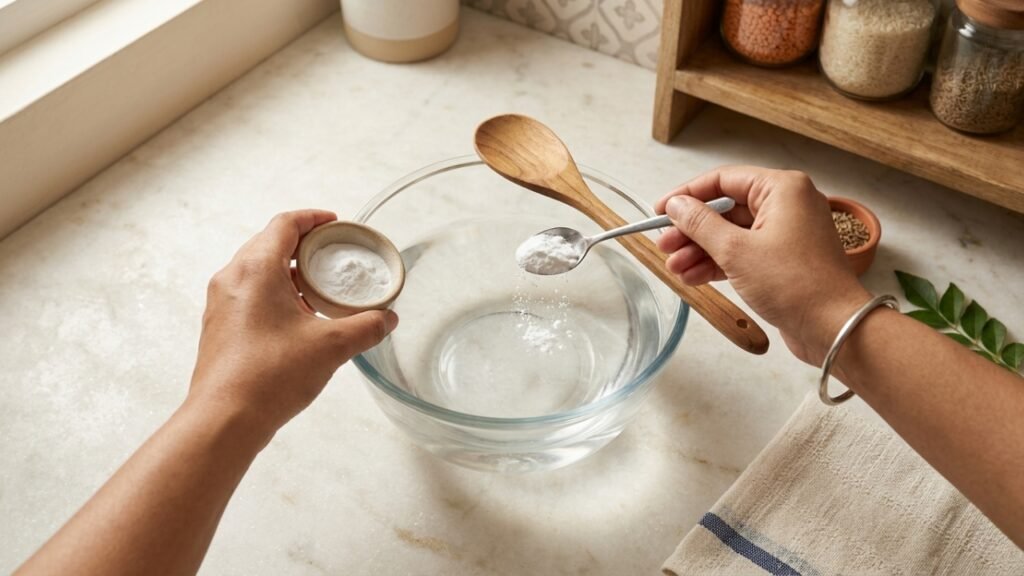
Baking soda (sodium bicarbonate) is a popular home remedy for softening hard water — and it does work to a limited extent, particularly for bathing purposes.
How to do it: Add approximately 1–2 tablespoons of baking soda per litre of water and stir well. For a full bath, add half a cup of baking soda to your bathwater and mix thoroughly before getting in.
How it works: Baking soda raises the pH of water and helps neutralize some of the mineral effects, making water feel softer on the skin and slightly improving soap lather.
Limitations: Baking soda does not actually remove calcium and magnesium from the water — it only partially neutralizes their effects. It’s not suitable for drinking water softening, appliance protection, or long-term use at scale.
Best for: Quick, affordable relief for bathing and skin comfort.
3. Adding Washing Soda (Sodium Carbonate)
Washing soda is more effective than baking soda for water softening because it actively precipitates calcium and magnesium ions out of the water, genuinely reducing hardness rather than just masking it.
How to do it: Add a small amount of washing soda to your water and allow the precipitate to settle before using the clarified water.
Limitations: Not suitable for drinking water. Requires careful measurement — too much washing soda makes water excessively alkaline and unsuitable for skin contact.
Best for: Laundry water, household cleaning, and general-use water where taste is not a factor.
4. Using Vinegar for Fixtures and Showerheads
White vinegar (acetic acid) is excellent for dissolving mineral deposits on fixtures, tiles, showerheads, and taps — though it doesn’t soften the water itself. Adding a small amount of diluted white vinegar to bathwater can also reduce the harshness of hard water on skin.
How to do it: Soak a cloth in white vinegar and wrap it around taps and fixtures overnight to dissolve limescale buildup. For bathwater, add half a cup of white vinegar to a full tub of water.
Best for: Removing existing limescale deposits and providing mild skin relief during bathing.
How to Soften Hard Water for Bathing
Bathing in hard water is one of the most immediately noticeable discomforts — the film it leaves on skin, the difficulty getting soap to lather, the dryness and irritation afterward. Here are specific solutions for bathing water:
Shower Filters — A shower filter attachment fitted directly onto your showerhead is one of the most practical and affordable solutions for bathing water. Good quality shower filters contain KDF (Kinetic Degradation Fluxion) media or activated carbon that reduces chlorine, heavy metals, and partially softens hard water. They’re easy to install, don’t require any plumbing changes, and replace every 6–12 months.
Baking Soda or Vinegar Addition — As mentioned above, adding half a cup of baking soda or white vinegar to bathwater provides noticeable improvement in water feel and skin comfort.
Magnetic Water Conditioners — These devices attach to your water pipes and use magnetic fields to alter the structure of mineral ions, reducing their ability to form scale and their harshness on skin. They don’t remove minerals but change their behavior. Results vary and scientific evidence is mixed, but many users report improvement in bathing water quality.
Whole-House Water Softener — The most comprehensive solution for bathing water is a whole-house Hard water softener installed at the point of entry to your home. This treats all the water entering your house — including bathrooms — before it reaches any tap or showerhead. We cover this in detail below.
How to Soften Hard Water for Hair Wash
Hard water and healthy hair are fundamentally incompatible over the long term. The minerals coat and roughen the hair cuticle, block moisture, and leave residue that no shampoo fully removes. Here’s what actually helps:
Clarifying Rinse with Apple Cider Vinegar — Mix 1 tablespoon of apple cider vinegar with 1 cup of water and use it as a final rinse after shampooing. The mild acidity helps dissolve mineral buildup on the hair shaft and restores shine and softness. Use 1–2 times per week, not daily.
Chelating Shampoos — Chelating shampoos contain ingredients specifically designed to bind to mineral ions and strip them from the hair. They’re more effective than regular shampoos at cleaning hard water residue from hair. Use weekly or fortnightly.
Filtered or Softened Water for Final Rinse — Washing your hair in hard water and then doing a final rinse with filtered or RO purified water makes a significant difference. The soft water rinse removes mineral residue left by the hard water wash and leaves hair smoother and more manageable.
Shower Filter — A good quality shower filter on your bathroom tap or showerhead reduces the mineral load in water used for hair washing — a simple, practical, and affordable improvement.
Water Softener Installation — For a permanent, complete solution, a water softener connected to your bathroom supply ensures every hair wash uses genuinely soft water from start to finish.
How to Soften Hard Water in Shower
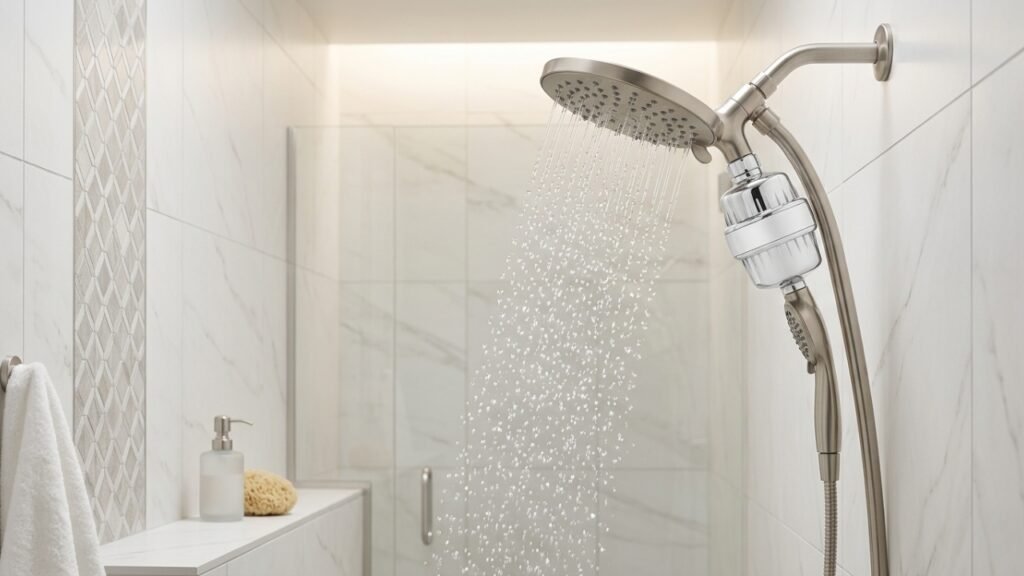
Your shower is where you experience the effects of hard water most directly — on your skin, in your hair, and in the form of the chalky white deposits that build up on your showerhead and tiles over time. Here’s how to address it specifically:
Install a Shower Filter — The simplest, most affordable first step. A KDF or activated carbon shower filter attaches directly to your existing showerhead and reduces chlorine, heavy metals, and partially softens water. Available online and in hardware stores, typically costing ₹800–₹3,000 depending on quality.
Descale Your Showerhead Regularly — Fill a plastic bag with white vinegar, tie it around your showerhead so the head is submerged, and leave it overnight. This dissolves the mineral buildup that reduces water pressure and spray quality.
Install a Point-of-Use Water Softener for Your Bathroom — A compact water softener installed specifically for your bathroom supply line treats water before it reaches the shower, providing genuine softened water for both bathing and hair washing.
Whole-House Softener System — The most complete solution — treats all water entering your home, including every shower, every tap, and every appliance. No individual fixture management required.
How to Soften Hard Water in Water Tank
If your home or building stores water in an overhead or underground tank before distribution, treating water at the tank level is an efficient approach that benefits all end uses simultaneously.
Tank-Level Water Softener — A water softener system installed at the tank inlet treats water as it enters the tank, ensuring all distributed water is softened before reaching any tap in the building. This is particularly effective for apartment complexes and independent houses with tank-fed distribution.
Soda Ash / Washing Soda Treatment — For non-drinking applications, adding measured quantities of washing soda to tank water can reduce hardness. This requires careful calculation based on tank volume and current hardness levels — and is not suitable for drinking water.
Lime Softening — Adding slaked lime (calcium hydroxide) to tank water at the correct dose raises pH and precipitates calcium and magnesium as insoluble compounds that settle out. Used in municipal water treatment, it can be adapted for large tanks with proper dosing — though this requires technical guidance.
Pre-Tank RO or Softener System — Installing an RO plant or water softener at the point where water enters your tank ensures every litre stored is already treated. This is the recommended approach for apartments, housing societies, schools, and commercial buildings in hard water areas of Bangalore.
How to Soften Hard Water in India — The Complete Practical Guide
India presents some unique water softening challenges — high groundwater TDS in many regions, significant seasonal variation in water quality, aging municipal infrastructure, widespread dependence on borewells, and enormous variation in water characteristics even within the same city. Here’s what works specifically in the Indian context:
For Drinking Water: A domestic RO + UV + UF water purifier with a TDS controller is the gold standard for Indian households. It removes dissolved minerals, bacteria, viruses, and other contaminants — and the TDS controller allows you to retain the right level of essential minerals in your drinking water.
For Bathing & Household Use: A water softener installed at the point of entry — treating all water before it enters your home — is the most effective long-term solution. Ion exchange water softeners, which replace calcium and magnesium ions with sodium ions, are the most widely used technology for this purpose.
For Apartments & Housing Societies: A centralized commercial RO plant or water softener installed at the sump or overhead tank level treats water for all residents simultaneously — more cost-effective than individual solutions for each flat.
For Industries & Commercial Establishments: Industrial RO plants and water treatment systems designed specifically for high-volume, continuous operation — addressing hardness, TDS, bacterial contamination, and other parameters as required by the specific application.
What Is the Cheapest Way to Soften Water?
If budget is the primary constraint, here are the most affordable options in ascending order of cost:
Boiling — Zero equipment cost. Only works for temporary hardness and is impractical for large volumes.
Baking Soda / Washing Soda — ₹20–₹50 per month for bathing water relief. Does not remove minerals, only reduces their effect.
Shower Filter — ₹800–₹3,000 one-time cost. Effective for bathing and hair wash water specifically.
Domestic RO Purifier — ₹8,000–₹20,000 one-time installation. The most cost-effective long-term solution for drinking water — filters out dissolved minerals and all other contaminants permanently.
Water Softener System — ₹15,000–₹50,000+ depending on capacity. The most comprehensive solution for whole-house softening, protecting appliances, plumbing, and skin simultaneously.
The cheapest option in the short term is baking soda or boiling. The cheapest option over 5–10 years — accounting for appliance repair costs, higher electricity bills from scaled geysers, and health effects — is almost always a properly installed water treatment system.
The Permanent Solution — Professional Water Softeners & RO Systems by Bangalore Aqua
Home remedies and quick fixes have their place. But for families and businesses in Vijayanagara, Bangalore, and across Karnataka dealing with genuinely hard water every day, the only solution that truly solves the problem — permanently, reliably, and without daily effort — is a professionally installed water treatment system.
At Bangalore Aqua and Energy Private Limited, we offer:
Domestic RO Water Purifiers — For clean, soft, safe drinking water at home with multi-stage RO + UV + UF + TDS control technology
Water Softener Systems — Ion exchange softeners for whole-house hard water treatment, protecting your skin, hair, plumbing, and appliances
Commercial RO Plants — For offices, hotels, restaurants, schools, and hospitals requiring high-volume softened and purified water
Community Water Plants — Centralized softening and purification solutions for apartment complexes and housing societies
Industrial Water Treatment Systems — For manufacturing facilities, pharmaceutical units, and other industrial applications
We begin with a comprehensive water quality test so we understand your exact water problem before recommending anything. Our trained technicians handle complete installation, commissioning, and user training. And our maintenance and AMC services ensure your system continues performing at its best for years to come.
Final Thoughts — Don’t Let Hard Water Win
Hard water is not a cosmetic inconvenience. It’s a daily problem that compounds quietly over time — in your health, your home, and your wallet. The good news is that it’s entirely solvable. Whether you start with a simple baking soda bath rinse tonight or invest in a complete water softener system this month, every step you take toward softer water is a step toward healthier skin, better hair, longer-lasting appliances, and cleaner, safer drinking water.
If you’re in Vijayanagara, Bangalore, Mysuru, Mangaluru, Hubballi, Dharwad, Belagavi, Kalaburagi, Kalaburagi, or anywhere across Karnataka and you want expert guidance on the right water softening solution for your home or business, Bangalore Aqua is ready to help.
📞 Call / WhatsApp: +91 76763 93939 | +91 97387 04753 📧 Email: info@bangaloreaqua.com 🌐 Book a Free Consultation: bangaloreaqua.com
Get your water tested. Know what you’re dealing with. Fix it properly. Your health is worth it.